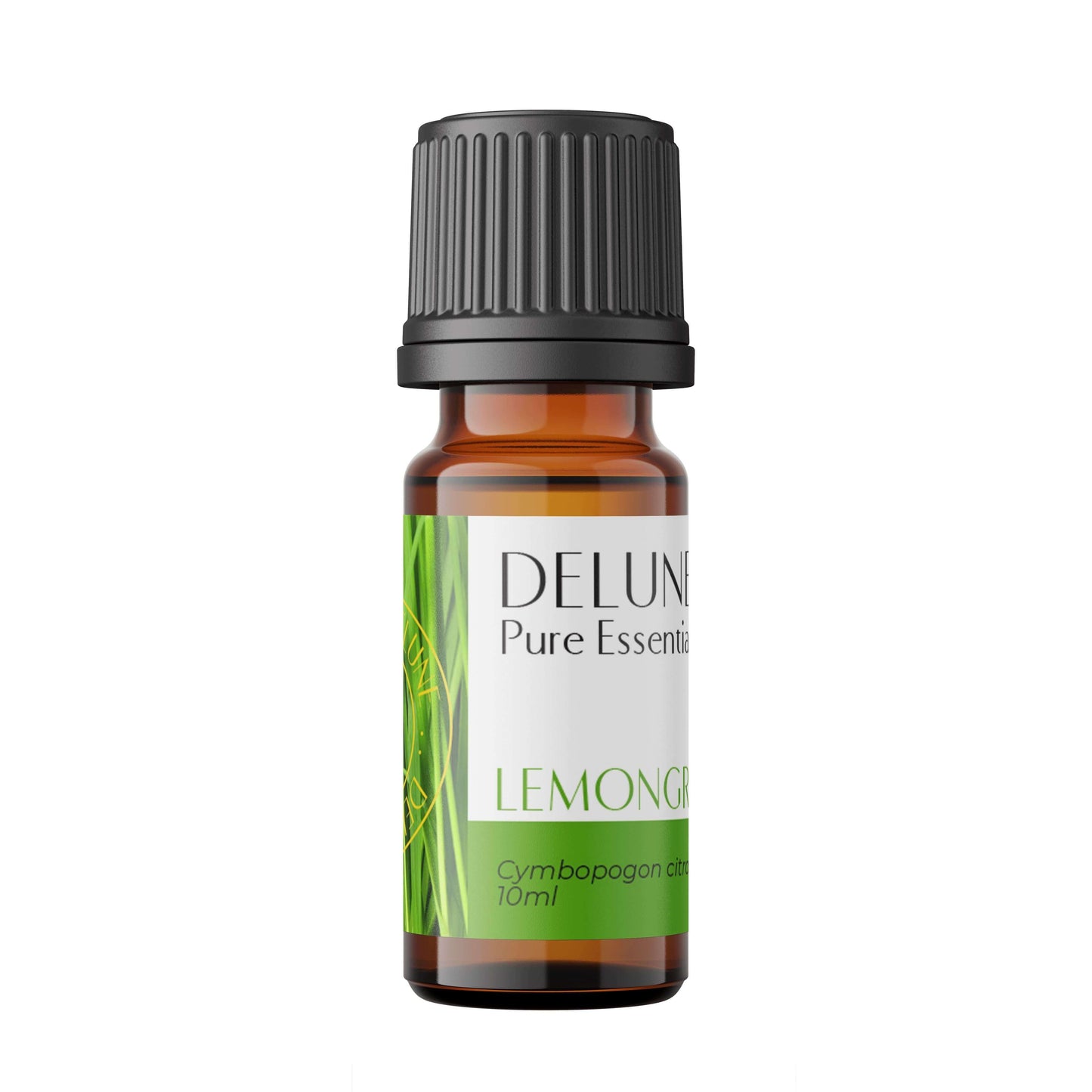



Lemongrass Pure Essential Oil
Lemongrass Pure Essential Oil
Couldn't load pickup availability
Free Shipping in UAE over 189 AED

Lemongrass belongs to the Cymbopogon genus — the same botanical family as palma rosa and citronella — and like those oils, its primary aromatic character comes from citral, specifically the geranial and neral isomers. What distinguishes lemongrass from its relatives is concentration: citral content in genuine lemongrass oil typically runs 70-80%, making it one of the highest natural citral sources available and accounting for both its intensity and its sensitisation potential at undiluted concentrations.
Two species are commercially relevant and frequently confused. Cymbopogon citratus — West Indian lemongrass, the species we use — has a slightly softer, more rounded citral profile with earthy undertones. Cymbopogon flexuosus — East Indian lemongrass — runs higher in citral, sharper in character, and is more commonly used in industrial fragrance applications. The difference is perceptible in the scent and measurable in the compound ratios. Most commercial oils don't specify which species they contain.
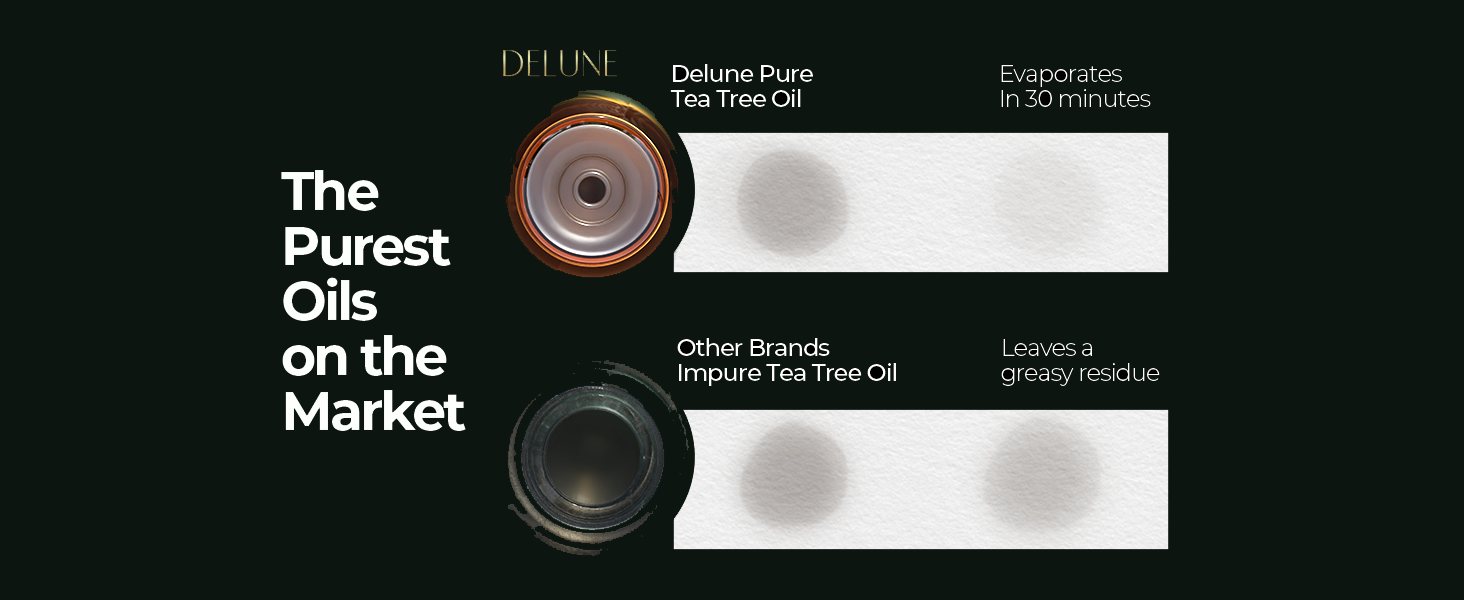
Synthetic citral is the main adulteration route — cheap, abundant as an industrial chemical, and difficult to distinguish from natural citral without isotope ratio analysis. It's detectable with the right testing. Dilution with cheaper grass oils — citronella most commonly — is the secondary route. Both change the compound balance in ways that affect both scent character and activity.
Ours is steam distilled from Cymbopogon citratus leaves grown in India and verified through PristiQuant™ — 40+ laboratory tests including isotope ratio analysis for synthetic citral detection, species identity, citral levels, and purity.
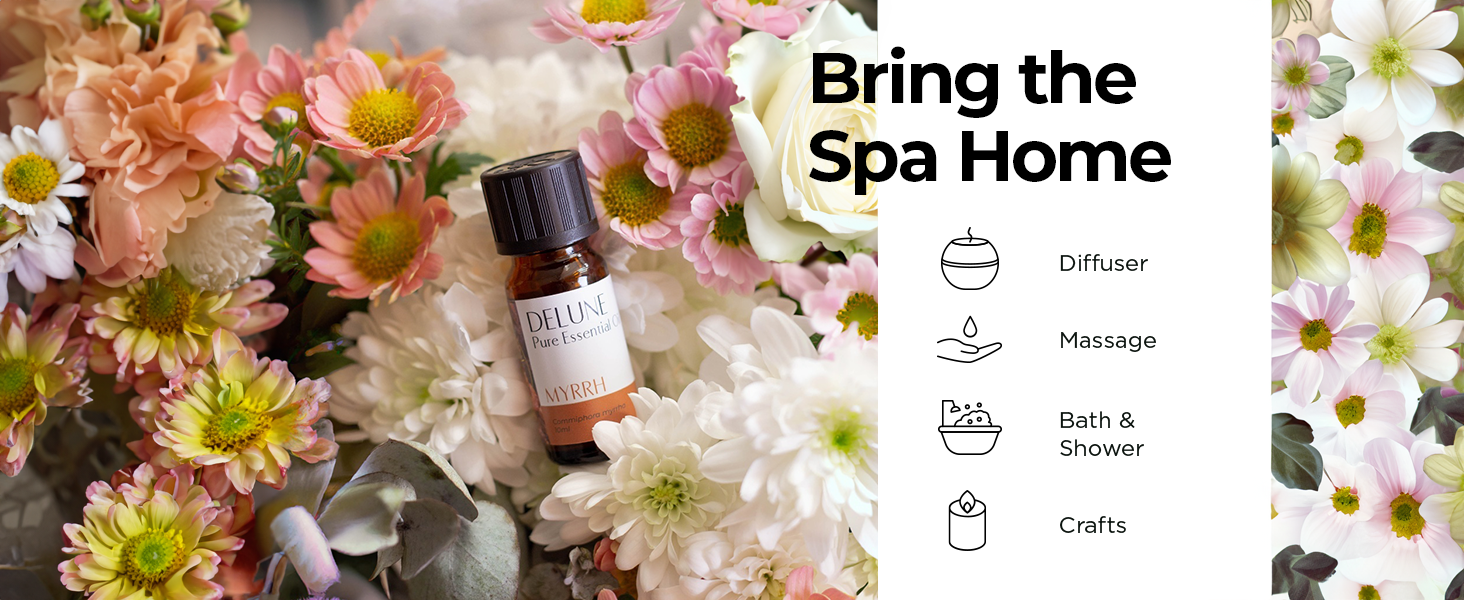
The muscle application has reasonable evidence behind it — citral and the associated monoterpenes have documented anti-inflammatory activity, and the warming sensation on application is genuine rather than just aromatic. For diffusion, the alertness effect follows the same citrus-inhalation mechanism as lemon. The digestive application has traditional use support similar to mandarin — plausible mechanism, thinner clinical evidence, low-risk application. Use it diluted and at appropriate concentrations — lemongrass's high citral content makes it one of the more sensitising oils in the range at excessive dilutions.
The scent is bold, intensely citrusy, and earthy — sharper and less complex than lemon, without the floral depth of palma rosa despite sharing the geranial-neral profile. Works well in diffuser blends where you want something assertive. Effective in DIY cleaning formulations. Use sparingly in skin applications and always at 1% dilution or below for leave-on products.
Botanical name: Cymbopogon citratus · Origin: India · Extracted from: Leaves · Method: Steam distillation · Scent: Bold, citrusy, earthy — assertive, use sparingly in skin blends
External use only. Dilute carefully — lemongrass is one of the more sensitising oils in the category due to high citral content. Maximum 1% dilution for leave-on skin products. Avoid eyes and sensitive areas. Not for children under 5. Consult a healthcare professional before use during pregnancy. Store in a cool, dry place. Naturally occurring allergens: citral, geraniol, linalool, limonene. May produce an allergic reaction — patch test strongly recommended before extended topical use.
Details
Details
Key Ingredients
Key Ingredients
How to Use
How to Use
Shipping
Shipping
No Rush? Enjoy Free Delivery on orders over 169 AED and for Subscribe & Save customers.
For orders under 169 AED, our standard delivery (2-5 business days) is just 35 AED.
Please note: Delivery to Europe, the US, and the rest of the world is currently unavailable.
Have any Questions? Contact us!
Have any Questions? Contact us!
Our customer service team is here to help. Send us an email today!